What Does a 'Good' Return Rate for Shopify Brands Look Like in 2026? (By Category)

.png)
Kwik Context
The average ecommerce return rate in 2026 sits at approximately 19-20.5% across all product categories. That number is nearly useless as a benchmark on its own. A 20% return rate is perfectly normal for a fashion brand and a serious problem signal for a supplements store. A 10% return rate is outstanding for a home goods brand and dangerously high for a beauty brand.
This guide gives you the 2026 return rate benchmarks Shopify brands should actually be comparing themselves against by industry, with the structural reasons behind each category's range, a "good" target and the levers that move the number.
Category Benchmark Breakdowns: What "Good" Actually Looks Like

Fashion & Apparel
Industry average: 24-26% | "Good" target: Under 18% | Red flag: Above 35% | Primary return drivers: Sizing inconsistency, fit expectations, colour discrepancy, bracketing behaviour
Fashion is the most returned category in e-commerce, by a significant margin. 26% of U.S. consumers returned clothing purchased online in 2025, the highest rate of any retail category. Apparel leads the pack with return rates frequently reaching 30-40%. Some fast fashion brands have reported rates as high as 88% during peak promotional periods when bracketing behaviour is at its most intense.
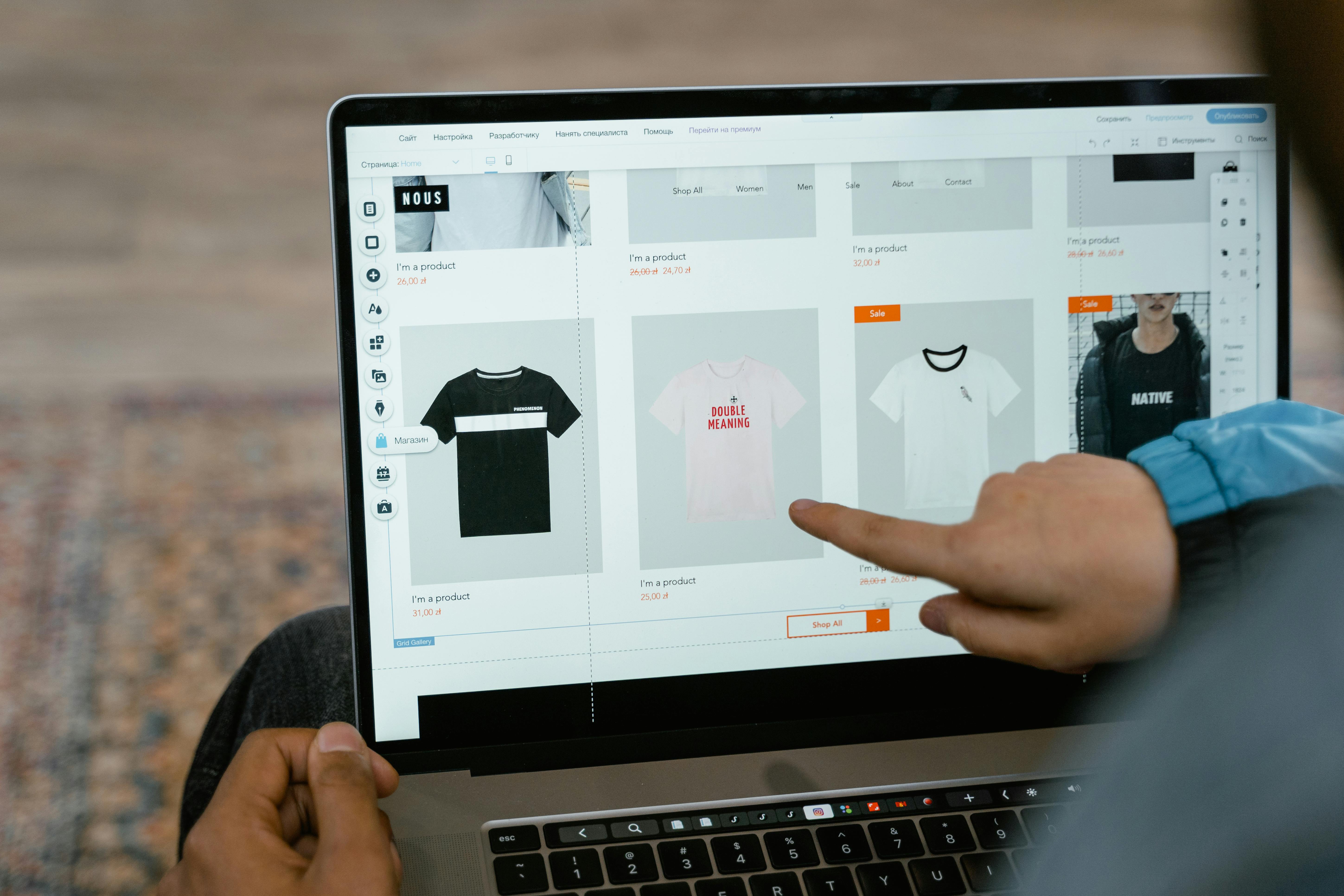
Why fashion returns are structurally high: clothing requires precise fit, comfort, and subjective aesthetic appeal, none of which can be fully evaluated from a product page. Sizing inconsistencies account for 53% of apparel returns globally. 63% of consumers admit to ordering multiple sizes or "bracketing" with the intent to return all but one.
If your apparel store is consistently above 30%, the issue is almost always one of three things: a size chart that does not reflect actual garment measurements, product photography that misrepresents fit or color, or a return flow that makes refunds easier than exchanges. All three are fixable.
The exchange lever: Return Prime data shows that fashion brands using exchange-first return flows convert a meaningful share of what would have been refunds into exchanges, particularly for size-related returns. This fundamentally changes the revenue outcome.
See how Return Prime's Smart Exchange reduces fashion refund rates.
Footwear
Industry average: 18-31% | "Good" target: Under 15% | Red flag: Above 30% | Primary return drivers: Comfort mismatch, sizing inconsistency across brands, style expectations

Footwear is the second-most returned category in ecommerce. Shoes see return rates as high as 35% in some segments, driven by two compounding problems: shoe sizing and comfort. Brands that provide detailed width guides, detailed material descriptions, and "runs small/large" callouts consistently see lower return rates than competitors with generic size charts.
The seasonal dimension: Sandals, slides, and summer shoes see return rate spikes during warm-weather seasons as customers overbuy for vacation and return what does not work. Planning exchange incentives around these windows can recover revenue that would otherwise walk out as refunds.
Swimwear & Activewear
Industry average: 20-35% (Can reach 50%) | "Good" target: Under 18% | Red flag: Above 40% | Primary return drivers: Cup sizing, coverage expectations, fabric behavior, fit under movement
Swimwear and lingerie return rates hover between 30-35%, with luxury swimwear and resort brands sometimes hitting 50%. Activewear sits in the 20-25% range.

Both categories share a specific problem: the product needs to perform under conditions that cannot be simulated by looking at a model photo. A pair of stockings may look supportive but roll down during movement. These are experiential qualities that product pages consistently fail to communicate.
Hygiene considerations: Many swimwear returns cannot be resold at full price due to hygiene restrictions. Each returned unit costs the brand in processing and inventory devaluation, making the margin impact of swimwear returns significantly higher than the headline return rate suggests. Every exchange that prevents a full refund-and-new-purchase cycle has outsized value in this category.
Beauty & Skincare
Industry average: 4-12% | "Good" target: Under 8% | Red flag: Above 15% | Primary return drivers: Wrong shade, allergic reaction, scent mismatch, product quality issues

Beauty and skincare is one of the lowest-return categories in ecommerce. Beauty products have return rates of just 4-10%. This is kept low by two structural factors:
1. Hygiene restrictions prevent most opened products from being resold, which reduces the appeal of casual returns
2. Sample/discovery programs give customers a lower-stakes way to test products before committing.
Skincare subscription brands see a different dynamic. Return rates may look low, but churn and pause rates often capture the same underlying dissatisfaction. For subscription beauty brands, tracking churn alongside return rate gives a more complete picture of product-market fit.
Jewelry & Accessories
Industry average: 4-15% (varies by segment) | "Good" target: Under 8% | Red flag: Above 18% | Primary return drivers: Style expectation gap, size (rings), color mismatch, perceived quality

Mass-market jewelry and accessories average return rates of 12-15%, driven by style preference mismatches and the challenge of conveying scale and quality through product photography.
Fine jewelry and curated private-label brands with high-quality macro photography can achieve return rates as low as 4%.
Ring sizing is the most common driver of jewelry returns, and one of the most solvable. A robust ring size guide, coupled with a friction-free exchange for size, eliminates a significant portion of preventable returns.
Accessories like bags, scarves, belts, hats etc. sit slightly higher than jewelry at around 12%.
What the best brands do: Multiple photography angles showing scale (a hand, a neck, a wrist), macro shots of texture and finish, UGC from real customers wearing the piece, and explicit notes on metal tone, chain length, and sizing.
Electronics & Tech
Industry average: 8-12% | "Good" target: Under 8% | Red flag: Above 15% | Primary return drivers: Compatibility issues, defects, feature misunderstanding, buyer's remorse

Electronics has one of the lower average return rates of 11% according to multiple 2025-2026 datasets. This is because electronic products are more standardized, heavily researched before purchase, and less subject to subjective preferences like fit or aesthetic appeal.
When electronics are returned, it is typically for defects, compatibility failures, or functional misunderstandings rather than "I changed my mind."
The cost problem: The cost to process an electronics return can reach $30-65 per unit testing, refurbishment, repackaging, and depreciation eat into margins at a rate that makes a 10% return rate in electronics potentially more expensive per revenue dollar than a 25% rate in low-ticket apparel.
Home Goods & Furniture
Industry average: 15-20% (home goods) / 5-8% (furniture) | "Good" target: Under 12% (home goods) / Under 5% (furniture) | Red flag: Above 25% (home goods) / Above 12% (furniture) | Primary return drivers: Size mismatch, color discrepancy between screen and room, assembly issues
Home goods and furniture have very different return dynamics. General home goods (decor, bedding, storage, small appliances) sit in the 15-20% range, driven primarily by color and aesthetic mismatches.
Furniture has low return rates (5-8%) despite high per-unit value, largely because the logistics friction of returning a large item is so high that customers often absorb the disappointment rather than arrange a pickup
Health & Supplements
Industry average: 5-8% | "Good" target: Under 5% | Red flag: Above 10% | Primary return drivers: Product did not work as expected, taste/texture disappointment, subscription cancellations

Supplement brands typically see return rates in the 5-8% range, kept down by the consumable nature of the product (once opened, most supplements cannot be resold). Further, supplement buyers tend to research heavily before purchasing.
The churn problem: For supplement brands, the return rate metric is often less meaningful than subscription churn rate and reorder rate. A customer who tries a protein powder, does not like the taste, and cancels their subscription represents "failed retention" even if they never filed a formal return.
Tracking 60-day and 90-day reorder rates alongside return rate gives a more accurate picture of product-market fit.
Taste and efficacy issues: When a supplement brand is seeing returns above 8%, the most common root causes are taste or texture disappointment (something a sample program can address).
Pet Products
Industry average: 8-12% | "Good" target: Under 8% | Red flag: Above 15% | Primary return drivers: Wrong size (collars, beds, harnesses), palatability for consumables, quality issues
Pet product return rates are moderate, typically in the 8-12% range. The category benefits from highly motivated buyers (pet owners are emotionally invested in getting the product right) but is complicated by size variation across breeds and the palatability gamble of consumables.
The category specific challenge: Pet owners cannot predict whether their dog will eat a new food or whether a collar will fit a breed-specific neck shape. The best-performing pet brands offer breed-specific size guides, palatability guarantees on consumables, and exchange programs that make it easy to swap to a different size without a full return-and-reorder cycle.
Food & Beverage
Industry average: 10-12% | "Good" target: Under 8% | Red flag: Above 15% | Primary return drivers: Damaged shipments, wrong items received, quality issues on arrival, taste disappointment
Food and beverage returns sit around 10-12%, driven primarily by operational issues rather than customer preference mismatches. Damaged packaging during transit, incorrect order fulfilment, and temperature-sensitive products that arrive compromised are the dominant drivers.
The insight: Most food returns are logistics failures, not product failures. For food brands consistently above 12%, the investigation should start with packaging quality and carrier handling rather than product pages. Upgraded packaging that protects products in transit consistently delivers disproportionate return rate reductions in this category.
The Three Numbers Every Shopify Brand Should Track
Return rate alone is a lagging, incomplete metric. It tells you that returns happened; it does not tell you whether those returns cost you money, retained revenue, or built customer relationships.
1. Return-to-Exchange Rate: What percentage of initiated returns convert to an exchange rather than a refund? This is the most direct measure of revenue retained through the return process. A fashion brand with a 25% return rate but a 40% return-to-exchange rate is in a fundamentally different financial position than one where 95% of returns become refunds.
Benchmark to aim for: Fashion brands using exchange-first return flows typically see 30-50% of returns convert to exchanges. Brands without exchange-first architecture often see single-digit conversion.
2. Return Rate by Acquisition Channel: Are your paid social customers returning at a higher rate than your organic or email customers? If yes, you may be driving high-volume, low-intent buyers through performance marketing who have weak product-market fit and your "return rate problem" is actually a targeting problem.
3. Cost Per Return vs. Revenue Per Exchange Every return processed costs money. Every exchange retains revenue. Tracking both along with the net impact on contribution margin gives you a financial picture that "return rate" alone cannot provide.
What to Do If You're Above Your Category Benchmark
If your return rate is consistently above your category benchmark, the diagnostic framework is straightforward.
Step 1: Pull return reasons by SKU
Your highest-return SKUs are almost always the story. A 35% return rate driven by two SKUs in your catalog is a very different problem than a 35% rate distributed evenly across your entire collection. Isolate the offenders first.
Step 2: Map reasons to root causes
- "Doesn't fit / wrong size" → Size chart accuracy, fit callouts on PDP, sizing quiz
- "Not as described / color different" → Photography quality, description accuracy, material callouts
- "Changed my mind" → High-impulse purchase, possibly a marketing targeting problem
- "Item damaged" → Packaging quality, carrier handling, fragile item protection
Step 3: Fix upstream before optimizing downstream
A better return portal does not fix bad size charts. A smooth exchange flow does not fix product photography that misrepresents color. Fix the pre-purchase information failures first, they reduce avoidable returns before they start. Then optimize the post-purchase flow for the structural returns that remain.
Step 4: Make exchange structurally easier than refund.
If your return rate is benchmarked correctly but your return-to-exchange rate is low, the problem is your return flow, not your products. Customers default to refund when exchange is the harder path. Return Prime's exchange-first portal flips this by surfacing the right size or alternative product before the refund option appears, converting what would have been revenue lost into revenue retained.
Step 5: Measure the change.
After implementing fixes, give it 60 days and measure again. Return rate by SKU, return-to-exchange rate, and cost per return are your three leading indicators of whether the changes are working.
Use Return Prime's ROI Calculator to Model the Impact.
The Bottom Line
Merchants who consistently outperform their category benchmarks share a common set of behaviors:
1. They know their return reasons by SKU
2. They fix product information failures upstream
3. They make exchange structurally easier than refund
4. They measure return-to-exchange rate alongside return rate
Return Prime helps 10,000+ Shopify brands do exactly this. The analytics layer surfaces return reasons and patterns. The exchange-first portal converts refunds into retained revenue. The automation engine handles the operational workflow like approvals, labels, notifications, store credit and more without manual intervention.
Install Return Prime Free and Start Benchmarking Your Return Rate Today.



.png)


.svg)


.svg)