10 Pre-Summer Fixes to Reduce Return Rates in Fashion & Apparel

.png)
Kwik Context
Summer is when fashion brands make their money. It is also when they give a significant chunk of it back.
Apparel already carries one of the highest return rates of any ecommerce category. Clothing returns average 24-26% year-round, with some fashion retailers seeing rates push toward 30-40%. Swimwear and summer-specific categories make it worse: swimwear and lingerie return rates hover between 30-35%, and during peak promotional periods, some brands report rates as high as 50%.
Seasonal spikes compound the existing problem. Online apparel return rates can hit 50% during major sale events and peak seasons, according to Vogue Business data.
Here are 10 fixes a Shopify fashion brand can implement before summer traffic peaks. Not theory. Specifics.
Fix 1: Audit Your Size Charts Before the Season Launches
Your size chart is probably wrong. Or at minimum, inconsistent across categories.
The apparel industry has no standardized sizing system. A medium across three of your swimsuit silhouettes likely measures differently at the hip, waist and chest. Customers who buy a medium in your first collection and get a new collection mid-season will not know that. They will order the same size, it will not fit, and they will return it.
What to do before summer:
Pull return reason data from your last two seasons. Filter for "wrong size" or "doesn't fit." Cross-reference those SKUs against your current size charts. Nine times out of ten, you will find specific silhouettes or fabrications that run small, run large or have anomalous proportions.
Fix those charts with actual garment measurements. Add a "how this fits" callout directly on the product page that flags known fit quirks. Radial's research found this kind of accurate sizing guidance is the single most important factor in reducing fashion returns.
Impact benchmark: Brands that fix sizing documentation before a product launch report meaningful reductions in fit-related returns. This is the highest-leverage, lowest-cost intervention on this list.
Fix 2: Show the Product on Real Bodies
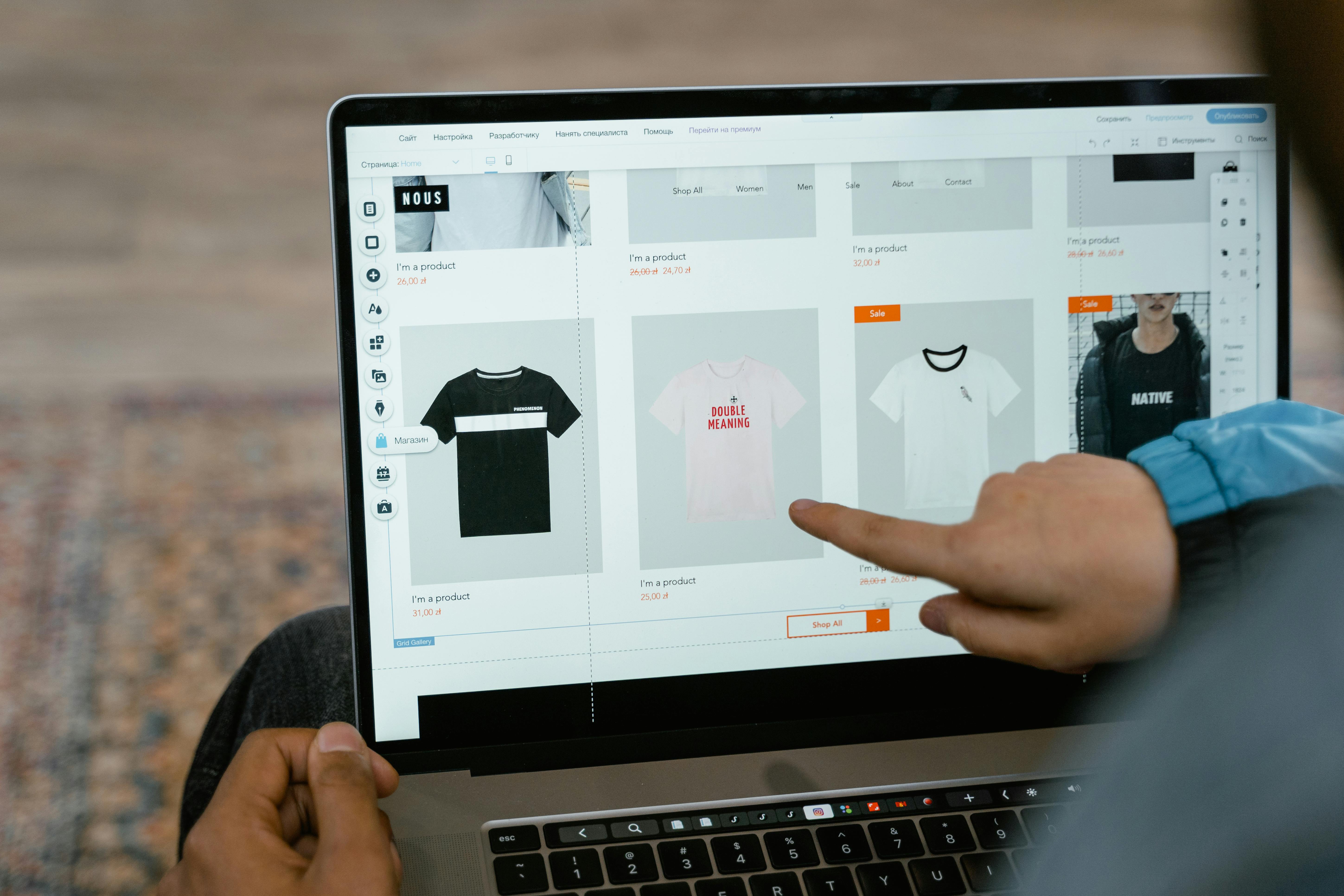
85% of online shoppers prefer buying products that include reviews with visual content. 91% of Gen Z shoppers specifically look for photos from buyers before purchasing. This is a pre-purchase research behavior that directly affects whether someone returns a product.
Brands that invest in 360-degree product views and zoom functionality see 30% fewer returns related to visual disappointment. ASOS invested in 360-degree AR views and increased conversion rate from 1.33% to 2.48%, simultaneously reducing returns. That is both margin protection and revenue growth from the same investment.
What to do before summer:
For your highest-return SKUs, add on-figure photography across a range of body types. Collect UGC from your existing customers via a post-purchase email asking customers to share a tagged photo, incentivized with loyalty points, is one of the fastest ways to build this library.
Fix 3: Add Fabric and Fit Callouts to Every PDP
22% of products are returned because they appear different in person from what the product page showed. In summer categories, where fabric hand-feel and drape are central to the purchase decision, that number is almost certainly higher.
What to do before summer:
Add a standardized "fit and fabric" section to every PDP, covering:
- Fabric composition with a plain-English description ("soft and stretchy" vs. "structured and woven")
- Stretch level: none / light / significant
- Transparency rating: opaque / slightly sheer / sheer
- Fit style: relaxed / true to size / fitted
- Care sensitivity: if it wrinkles, if it must be hand-washed, call it out upfront
Fix 4: Use Return Data to Fix Your Worst-Performing SKUs
If your data shows a specific item is returned 35% of the time due to "too small" feedback, you can adjust sizing charts or update the product description. If "color different from photo" is a top return reason on a particular SKU, you know the photography is misrepresenting the product.
What to do before summer:
Run a return reason analysis on last summer's catalog. Rank every SKU by return rate. For the top 20%, identify the dominant return reason and trace it to a fixable root cause:
- "Doesn't fit as expected" → Fix the size chart and PDP copy
- "Color not as shown" → Reshoot or add a color-accuracy note
- "Fabric/quality not as expected" → Update the material description and add texture detail images
- "Style not as expected" → Review your product photography and description framing
Return Prime's analytics give Shopify brands a return reason breakdown by SKU. This is exactly the data loop you need to run this analysis without building a custom report.
Fix 5: Tackle Swimwear Separately
Swimwear return rates hover between 30–35%, one of the highest in fashion. The reasons are specific: cup sizing inconsistency, rise variation across silhouettes, fabric stretch that behaves differently when wet, and the psychological factor of buying a piece that will be worn in public, which triggers higher-than-usual purchasing anxiety.
On top of this, hygiene restrictions mean most swimwear returns cannot be resold at full price, so each returned unit hits margin twice: once in processing cost and once in inventory devaluation.
What to do before summer:
- Add cup-specific sizing guidance for bikini tops, not just S/M/L
- Use model height and sizing worn in every swimwear image
- Build a swimwear-specific FAQ section addressing the top five fit questions your support team fields every June
- Consider a fit confidence incentive: offer free exchange on swimwear within a defined window to reduce the cost of getting the size wrong while removing the fear that stops customers from buying
Reducing swimwear return rates by even 5 percentage points on a category with 30%+ baseline can return a significant margin on summer's highest-volume product group.
Fix 6: Add a Pre-Purchase Sizing Tool or Quiz
Approximately 48% of online shoppers engage in bracketing, buying multiple sizes when sizing is unclear. Bracketing means you are paying to ship multiple units, processing returns on most of them, and recovering revenue on none of them. A sizing tool directly attacks this behavior by giving customers confidence in their first choice.
Options by budget:
- Zero budget: Add a "Find Your Size" guide per category that cross-references body measurements with garment measurements (not just S/M/L)
- Mid-range: Implement a Shopify-compatible sizing quiz app (Kiwi Sizing, True Fit, Size Guide) that routes customers to a recommendation based on their measurements and fit preference
- Growth-stage: Virtual try-on and measurement-based sizing recommendation tools have shown 20–30% reductions in return rates in apparel
Fix 7: Sale and Promotional Items

Customers who buy in a sale often make faster, less-researched decisions, driven by price rather than intent. When the item arrives and does not match expectations, they return it.
57% of women cite impulse buying as a key driver of online apparel purchases. Summer sales are the highest-impulse shopping windows in apparel. The combination of urgency, discount psychology, and reduced deliberation creates a return spike that arrives 2-3 weeks after the sale ends.
What to do before summer:
- Audit your summer sale collection PDPs before the promotions go live
- Add the same fabric, fit, and sizing callouts you use on full-price items; sale items should not have stripped-down product pages
- Set a clear, visible return policy for sale items at the product level
The goal is to set expectations before purchase, not manage disappointment after.
Fix 8: Set Up your Returns App for Fraud Prevention
Summer sale periods are not just high-return seasons. They are high-abuse seasons.
Flash sales, limited-time discount codes, and "last chance" urgency mechanics are exactly the conditions that attract the most aggressive return policy exploitation. Return abuse surged 64% between January 2024 and May 2025. Wardrobing spikes during summer — customers buy outfits for holidays, wear them once, and return them on arrival home. Bracketing intensifies because sale prices make ordering multiple sizes feel financially low-risk.
Return fraud cost U.S. retailers $103 billion in 2024. For individual Shopify brands, the exposure is proportional — and summer is when it concentrates.
Thrive AI's real-time risk assessment layer addresses this directly as part of the post-purchase intelligence stack:
1. Frequent Returner detection: Customers with a return-to-order ratio above a merchant-configured threshold are automatically flagged at return initiation. The system routes them to an exchange-first flow, removes the cash refund option for specific high-abuse SKUs, or requires photo verification before approval.
2. Promotional order risk scoring: Orders placed during a sale event, with a discount code, at atypical hours, from new accounts carry elevated fraud signals. The AI weights these signals and assigns a risk classification that determines the resolution path.
3. Serial returner identification: Customers who have returned a disproportionate share of their orders, across multiple categories and return reasons, are identified as a behavioural segment.
Fix 9: Make Exchange Easier Than Returning
If your return portal makes it equally easy to get a full refund as it is to exchange for a different size, you are not nudging the outcome you want.
The exchange option exists but requires extra steps, a phone call, or a reorder on a separate flow. When the path of least resistance is a refund, most customers take it.
76% of consumers say they are more likely to choose a return option that features an instant refund or exchange. The key word is "instant." If the exchange experience is slower, more complex, or less clear than the refund experience, customers will default to refund.
What to do before summer:
Restructure your return flow so that exchange is the first and most prominent option presented to a returning customer. For size-related returns, surface the correct size automatically and let the customer approve the exchange in one click before they ever see the refund button.
Return Prime's Wonder Smart Exchange does exactly this: it steers customers toward the right size or alternative product inside the return flow, converting what would have been a refund into a retained sale. For a fashion brand running 25%+ return rates, moving even a third of those to exchanges meaningfully changes the P&L.
See How Smart Exchange Works
Fix 10: Automate Your Returns Flow
Summer return volume does not arrive gradually. It arrives in a wave, typically 2–3 weeks after your peak sales window. If your returns process is still manual, that wave buries your team.
What "automated" actually means in practice:
- Customers initiate returns through a branded self-service portal, not by emailing support
- Auto-approval rules handle routine return types (wrong size within the return window, condition-eligible items) without merchant review
- Return labels generate automatically and notify the customer
- Exchange orders are created and dispatched before the original item is received back
This matters especially for fashion brands approaching peak season. A brand doing 500 returns a month in May might process 1,500 in July. Without automation, that delta becomes a support team crisis.
Return Prime's automation layer handles this entire workflow from approvals, labels, notifications to exchanges and store credit issuance. It also integrates with 100+ tools including Gorgias, Klaviyo, and major 3PLs.
Explore Return Prime's Automation Features Here
The Pre-Summer Returns Audit Checklist
Use this before your summer collection goes live:
Product Pages
- [ ] Size charts audited and updated against actual garment measurements
- [ ] Fabric and fit callout section added to every summer SKU
- [ ] On-figure photography includes a range of body types for high-return styles
- [ ] UGC sourced and embedded on PDPs for best-sellers
- [ ] Video clips added for swimwear and body-conscious silhouettes
Sizing Tools
- [ ] Sizing quiz or recommendation tool live on summer category pages
- [ ] Swimwear-specific cup and coverage guide published
- [ ] "How this fits" copy added for every silhouette
Return Data
- [ ] Last summer's return reasons analyzed by SKU
- [ ] Top 20% highest-return SKUs reviewed and updated
- [ ] Supply chain flagged on sizing anomalies
Post-Purchase
- [ ] Pre-delivery fit confirmation email built and tested
- [ ] Exchange-first return flow configured
- [ ] Auto-approval rules set for routine summer return types
- [ ] Returns portal live and branded before peak season begins
The Bottom Line
A 26-40% return rate is not a customer behavior problem you can policy your way out of. It is a product information problem, a sizing confidence problem and a post-purchase experience problem. And all three are solvable before the first summer order ships.
Summer is coming. The return wave is predictable. The only question is whether your brand is ready for it.
Install Return Prime Free on Shopify - Get Ready Before Summer.





.svg)


.svg)