5 Signs You Are Overspending on Acquisition and Ignoring Retention

.png)
The Acquisition Trap D2C Brands Fall Into
Most D2C Shopify brands are running the same playbook: spend on Meta, spend on Google, grow the top of the funnel, repeat.
It worked in 2018. It barely works now.
Customer acquisition costs have risen 60% over the past five years across ecommerce. Google CPCs climbed 12.88% year-over-year in 2025. Meta CPMs rose 20% in the same period. Only about 13.85% of iOS users have opted into ad tracking, gutting the targeting precision that once made paid social pencil out.
Ecommerce brands now lose an average of $29 per new customer acquired, after accounting for marketing costs and product returns.
And yet, 44% of businesses still prioritize acquisition over retention even though retaining a customer costs up to six times less than acquiring a new one.
Retention is the real revenue channel today. For the D2C brands, optimizing their post-purchase journey is imperative in 2026.
Here are five signs your brand hasn't figured it out yet.
Sign 1: Your CAC Keeps Rising But Revenue Doesn't Follow
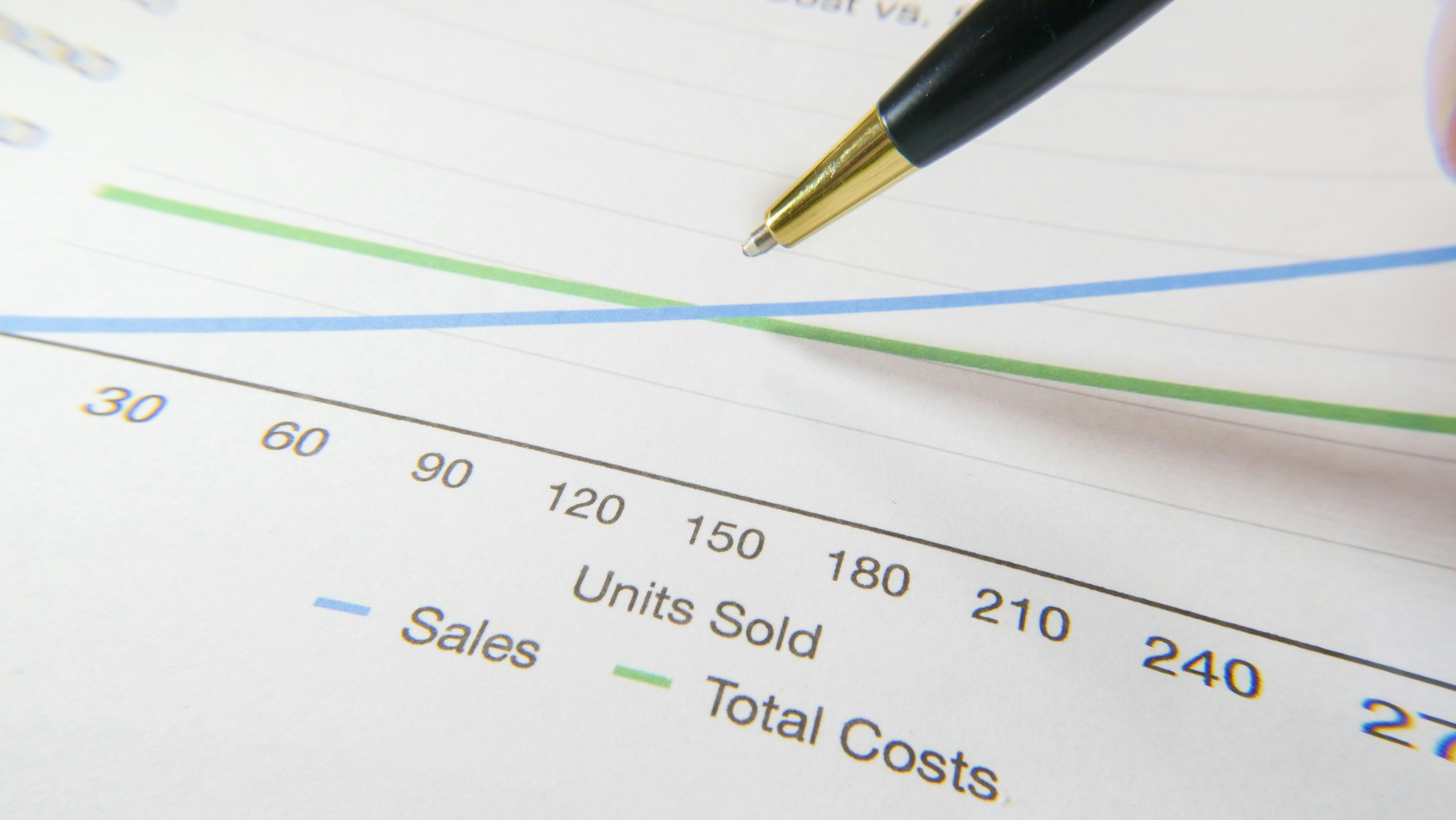
If your customer acquisition cost is climbing quarter over quarter while revenue stays flat or grows linearly, you are on a treadmill, spending more to stay in place.
The math on acquisition-first businesses is brutal. Shopify's internal data shows average CAC has risen from $274 to $318, a 16% jump year-over-year. For fashion brands, Facebook Ads CAC runs $34-$50 and Google Shopping can add another $45 on top. That's $80-$95 to land a first-time buyer who may never come back.
Now compare that to the retention math
A 5% increase in customer retention lifts profits by 25-95%. Repeat customers convert at 60-70% versus 1-2% for new visitors and spend 25% more per order.
Self Diagnosis: What percentage of your monthly revenue comes from customers on their second purchase or beyond? If you don't know this number, that is itself the answer.
A fashion brand doing $2M in annual revenue with a 20% repeat purchase rate is leaving enormous margin on the table every month while funneling more into ads.
Sign 2: You Have No Post-Purchase Strategy

56% of customers say they are disappointed with their post-purchase experience. Only 17% feel brands actually care about what happens after the buy, per Accenture. These are customers you already paid to acquire, already converted and you're letting them drift.
This is the shift from reactive support to proactive brand hospitality: anticipating customer needs, communicating ahead of issues, and creating a guided experience through delivery, returns and beyond. The brands doing this aren't just reducing support tickets, they're building the conditions for a second purchase.
Self Diagnosis: Can you list three specific touchpoints you own between order placement and the customer's next purchase? If the answer is just "order confirmation email" and "shipping notification," you don't have a post-purchase strategy.
Sign 3: Your Return Rate Is High and You Treat It as an Inevitable Variable

High return rates are a revenue leak. Treating them as a fixed cost of doing business is how brands bleed out slowly.
The average ecommerce return rate is now 19.3% of online sales, with fashion hitting 20-30%. US retailers absorbed $849.9 billion in returned merchandise in 2025. Processing each return costs between $10 and $65 before staffing, restocking and an inventory that can't be resold at full price.
Revenue loss is only half the problem. The other half is opportunity cost.
A return is a high-intent customer interaction. The shopper is engaged, on your platform, and making a decision. Brands with a returns strategy use that moment to convert a refund into an exchange, surface a store credit incentive, or offer an upsell before the revenue leaks. Brands without one just issue the refund and move on, and then pay $80 to reacquire someone functionally identical next month.
Offering free returns improves customer retention by 7-20%. 71% of consumers say a poor return experience kills their loyalty to a brand. The return experience is a primary retention event.
Self Diagnosis: What percentage of your returns result in an exchange or store credit, versus a straight refund? If you can't answer this with data, you're flying blind on one of your biggest revenue-recovery levers.
Sign 4: You Know Your ROAS but Not Your Repeat Purchase Rate

If you can quote your return on ad spend to two decimal places but have no idea what percentage of customers come back for a second purchase, your measurement stack is optimized for acquisition, and only acquisition.
ROAS measures how efficiently you're buying new revenue. It tells you nothing about whether that revenue compounds. The average ecommerce repeat purchase rate sits at 28.2%, but the range between high-retention and low-retention brands in the same category is enormous. Brands that invest in post-purchase experience pull significantly above average.
The metrics that actually predict long-term profitability:
- Repeat purchase rate - what share of buyers return within 90/180/365 days
- LTV:CAC ratio - the minimum sustainable benchmark is 3:1; below that, acquisition is destroying value
- Revenue from repeat customers - healthy D2C brands generate 40% of their revenue from repeat buyers
- Return-to-exchange rate - what percentage of returns are converted to retained revenue
None of these show up in your ad dashboard. They live in your Shopify analytics, retention platform and returns data. If your weekly reviews are dominated by ROAS, CPM and CPC discussions, you are optimizing the wrong half of the business.
Self Diagnosis: What is your 90-day repeat purchase rate, broken down by acquisition channel? If you don't know this, you don't know which channels are actually profitable, you just know which ones look good in last-click attribution.
Sign 5: You Send Transactional Emails and Call It Retention
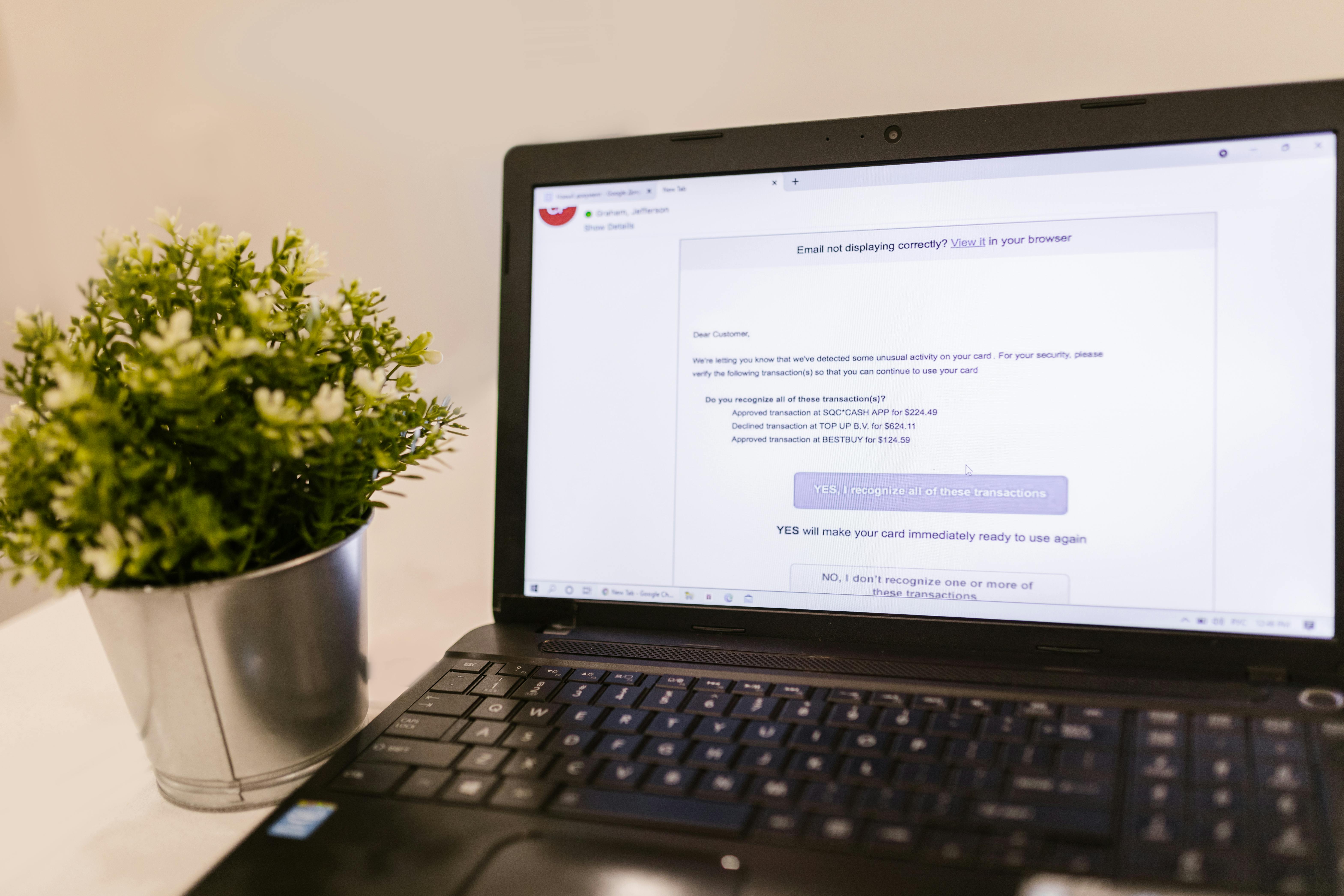
Order confirmed. Order shipped. Order delivered. This is logistics communication, not retention.
Real retention is what happens in the 30, 60, and 90 days after delivery. It is proactive outreach that is relevant, personalized and timed to the customer's behavior. Brands using post-purchase content retain 15-30% more customers. Customers who receive personalized product recommendations after their first purchase show 26% higher 12-month retention.
Retention-driven brands ask: what does this customer need right now, and what can we give them before they ask?
That includes proactive delivery updates, smart win-back flows triggered by browsing signals, post-return follow-ups that offer relevant recommendations, and loyalty touchpoints that make the customer feel seen rather than processed.
True brand loyalty fell to 29% in 2025, a 5-point drop from 2024, per PwC. Executives consistently overestimate how loyal their customers actually are. The brands closing that gap are not doing it with better ad creatives, they're doing it by showing up consistently in the post-purchase window.
Self Diagnosis: Pull your last 12 months of email flows. What percentage of sends are triggered by purchase behavior versus order logistics? If the answer skews heavily toward logistics, your retention program is underdeveloped.
The Post-Purchase Hospitality Shift
The old model: answer questions when they come in. Process returns. Resolve issues. Move on.
The new model: anticipate what the customer needs before they ask. Personalize every interaction based on who they are and how they behave. Convert every post-purchase moment into a reason to come back.
Returns are the most underleveraged retention touchpoint in D2C ecommerce. Brands with a retention mindset treat it as a high-intent customer moment: a shopper who is engaged, on-brand, and making a decision about their relationship with you.
Return Prime helps brands break into the retention journey at the right moment. Trusted by 10,000+ Shopify brands, it converts the return flow into a revenue-recovery channel by steering customers toward exchanges, store credit and upsells before a refund even processes. Smart automation handles approvals, label generation and customer notifications, reducing the operational cost of returns while simultaneously improving the experience.
For a fashion brand with a 25% return rate, the math is direct: if 30% of those returns convert to exchanges instead of refunds, you've recovered meaningful revenue from customers you would have otherwise paid to re-acquire through ads next month.
The Bottom Line
The compounding brands have figured out that the post-purchase experience is where lifetime value is won or lost. They invest in the moments after the sale. They treat returns as retention events. They measure what actually predicts profit.
The data is unambiguous: a 5% improvement in retention lifts profits by 25–95%. Acquiring a new customer costs five to six times more than keeping one. And 82% of consumers now say free, frictionless returns are a deciding factor in where they shop.
Modern Shopify brands are shifting budget, attention, and tooling toward post-purchase. The question is whether you do it before or after the margin pressure forces you to.
Start with your returns. It is the fastest, most measurable lever most brands haven't pulled.





.svg)


.svg)