How to Create a Return Shipping Label

If you're running an e-commerce store, returns are as inevitable as Monday mornings. In the U.S., the average e-commerce return rate was 16.9% in 2024. That means nearly one in six online purchases end up being returned. Return logistics is no longer just a backend task. It's a key part of your customer experience.
That's when a return label is needed; to ensure packages find their way home without drama. For Shopify store owners, getting this right means happier customers and repeat buyers who trust your brand.
This blogs will cover what is a return label, why they're crucial for your Shopify store, and how to turn this operational necessity into a competitive advantage. Because in eCommerce, how you handle returns speaks volumes about your brand.
What Is a Return Label?
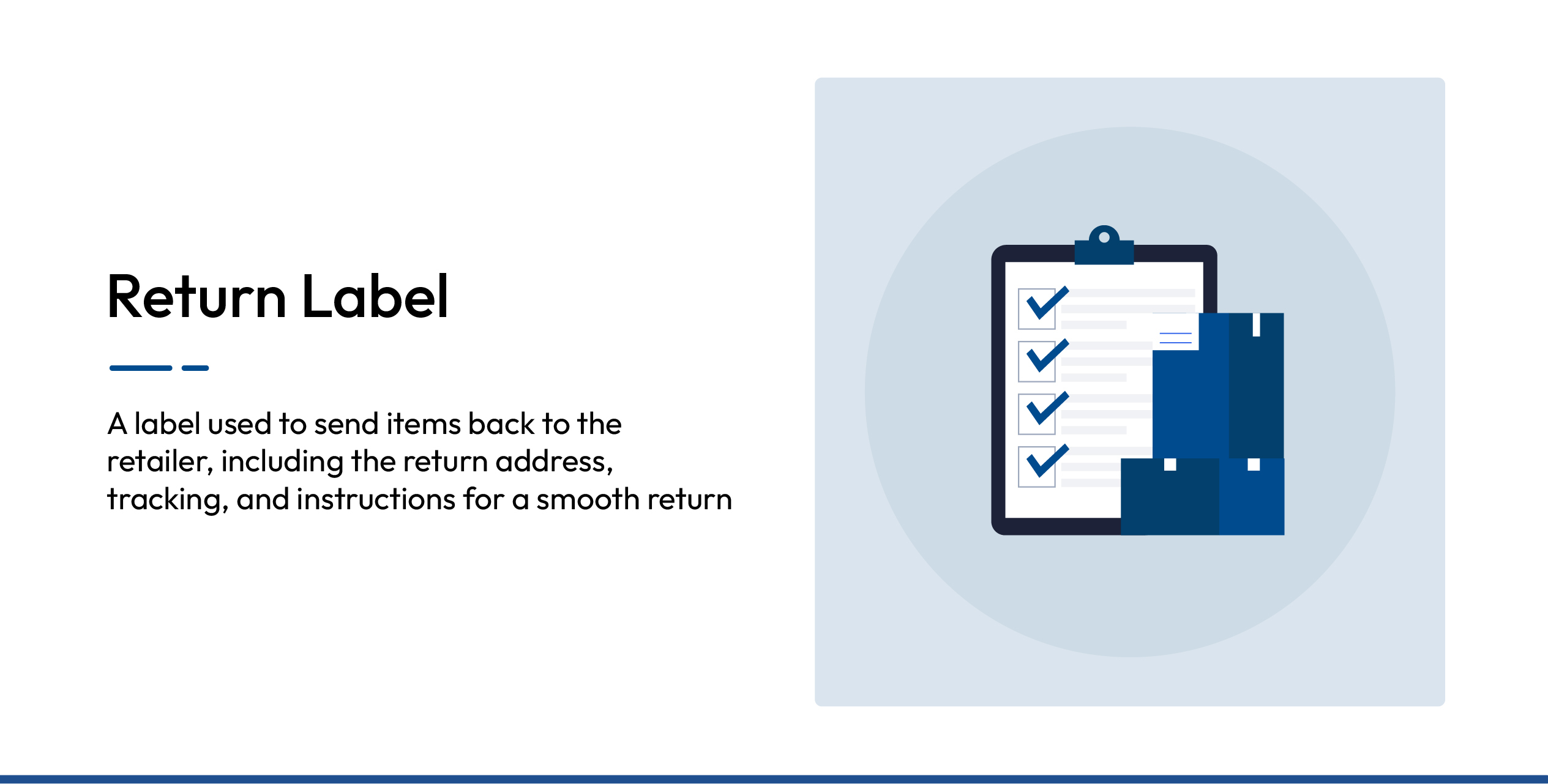
A return label is a pre-configured shipping document with all the details a customer needs to send an item back to your store. It usually includes the return address, a tracking number, and sometimes a barcode for faster processing.
Return labels are often included in the original package or sent via email upon request. They make the return process simple and hassle-free for your customer.
Unlike standard shipping labels, these are already filled out. Your customers won’t need to enter any shipping info. They can just print the label and initiate the return using your store’s returns portal.
For Shopify stores, offering clear and easy-to-use return labels reduces back-and-forth communication, minimizes errors, and fosters long-term customer trust.
But what actually makes a return label effective? Let’s break that down in the next section.
How Return Shipping Labels Work?
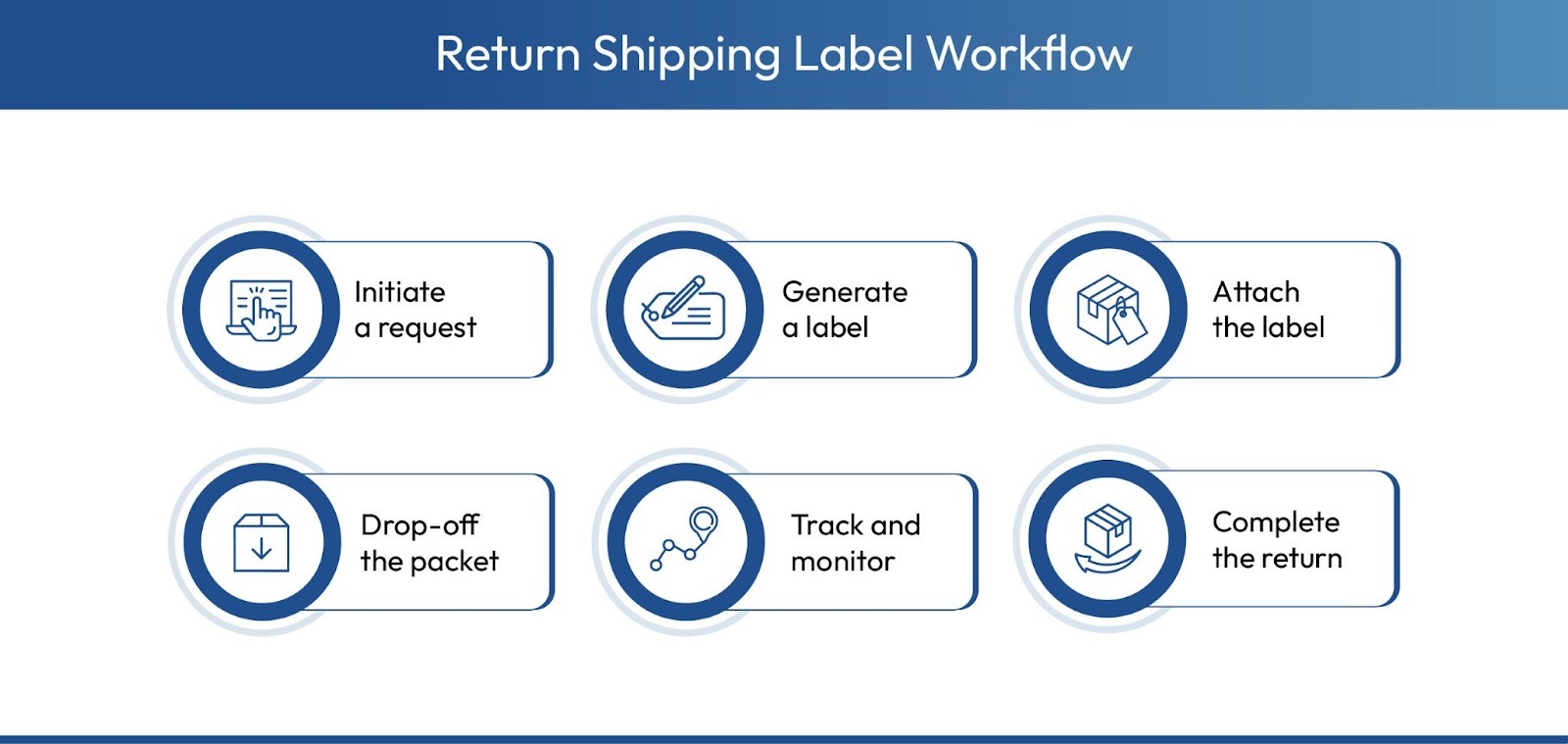
Returning an item is simple when you follow a structured process. Using a return label ensures accuracy, transparency, and a smooth experience for both customers and retailers.
- Request Initiation: The return process begins when a customer requests a return, either through your online portal, order management system, or by receiving a return label along with their original shipment. This step formally starts the return workflow and captures the necessary order details.
- Label Generation: Once the return is requested, the retailer generates a unique return label for the specific item. These labels are often prepaid and include all essential information such as the return address, tracking number, and shipping method. This ensures the item is routed correctly and efficiently.
- Label Attachment: Customers then attach the label to the package. They may either print a physical label or use a digital code provided by the retailer, depending on the system used. The label must be securely affixed to avoid misrouting or delays in processing.
- Package Drop-Off: The customer drops off the package at a designated carrier location, such as a post office, courier hub, or authorized drop-off point. Some retailers may also offer scheduled pickups or in-store returns to further simplify the process.
- Tracking and Monitoring: Once the package is in transit, the carrier scans the barcode or tracking code. This allows both the retailer and customer to monitor the return’s progress in real-time, ensuring transparency and enabling quick resolution of any delays.
- Return Completion: After the package reaches the retailer, the item is inspected, and the return is processed according to the store’s policy. Refunds, exchanges, or store credits are issued promptly, completing the return cycle.
Key Features of Return Labels/ What’s On a Return Label?
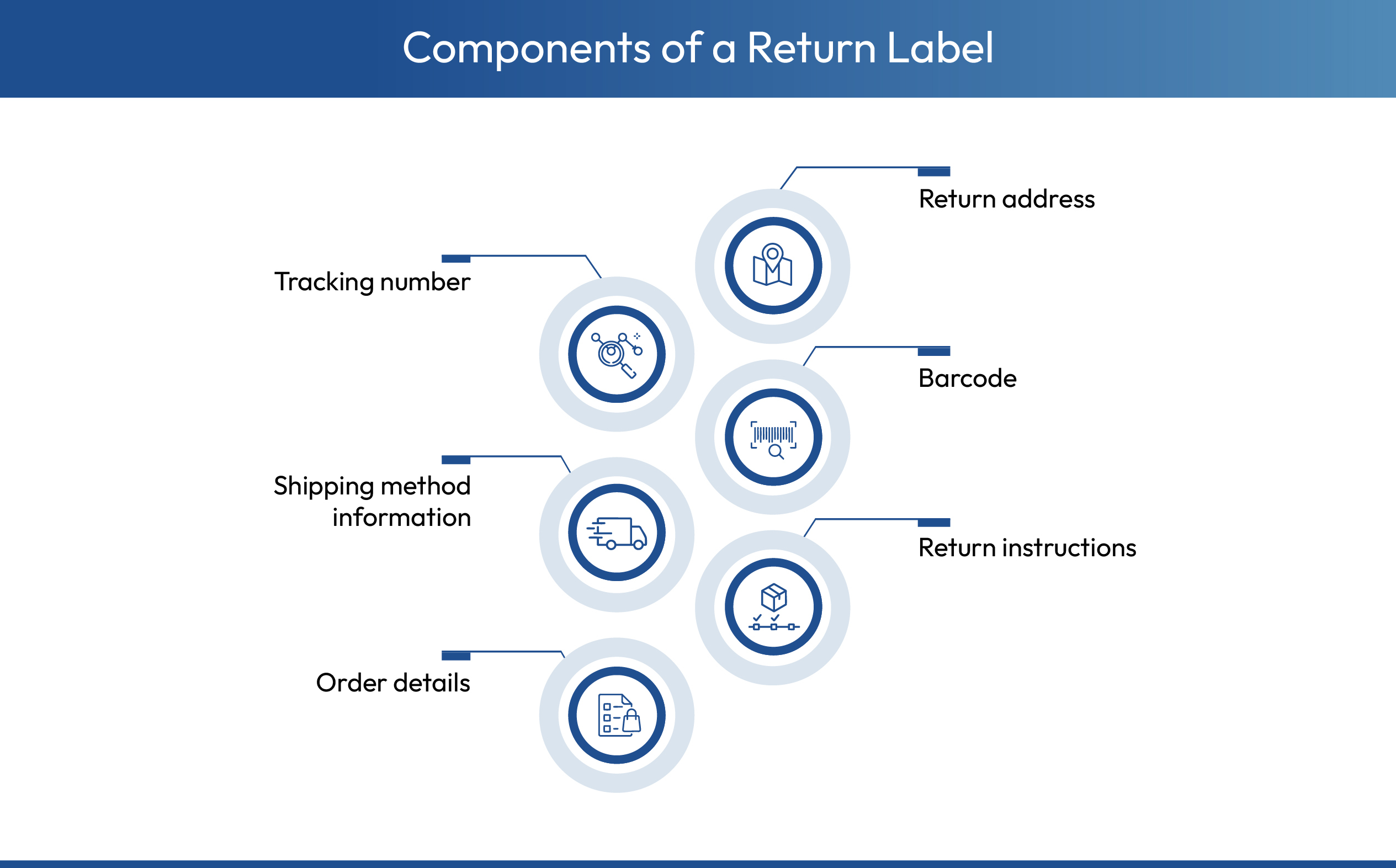
Return labels simplify the returns process for both customers and businesses by ensuring accuracy, tracking, and efficient processing. Essential elements include:
- Return Address: Pre-filled address directs the item to the correct location, saving customers time.
- Tracking Number: Unique code allows both parties to monitor the return shipment.
- Barcode: Scannable code speeds up check-in and reduces manual data entry.
- Shipping Method Info: Indicates prepaid status or required carrier for correct, cost-free returns.
- Return Instructions: Brief reminders about deadlines or conditions guide customers through the process.
- Order Details: Links the return to the original order for faster processing.
These features make return labels a critical part of smooth, accurate returns—but they are distinct from standard shipping labels.
Suggested read: Calculating Shopify Product Return Rate: Best Practices
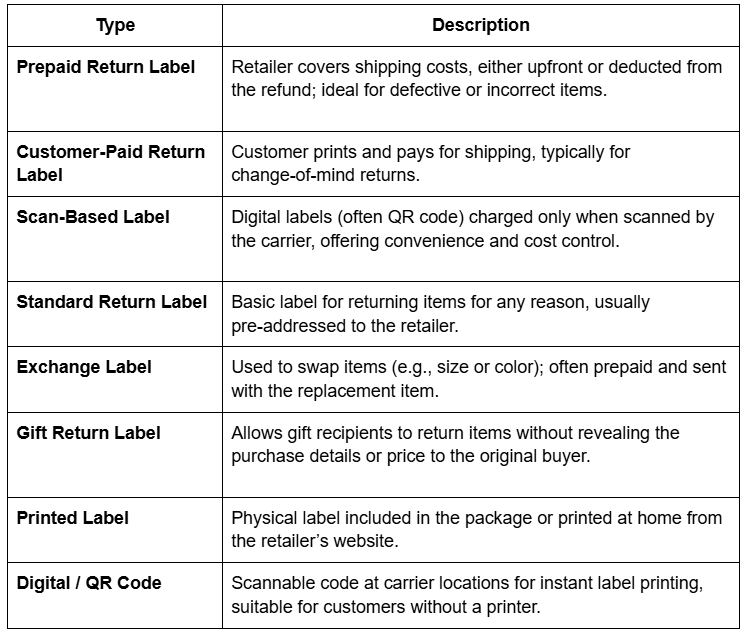
What Are The Different Types Of Return Shipping Labels?
Return shipping labels come in various formats, cost arrangements, and functions, making it easier for both retailers and customers to handle returns, exchanges, or gift returns efficiently.
What’s the Difference Between a Return Label and a Shipping Label?
Shipping and return labels may appear similar, but they serve distinct purposes and are used at different stages of the order journey.
Understanding these differences helps ensure smooth operations and fewer support issues. Here's a quick comparison:

While both labels are essential for order fulfillment and reverse logistics, understanding their differences helps you manage each process more efficiently. Let’s now understand how to create a return label.
How to Create a Return Shipping Label
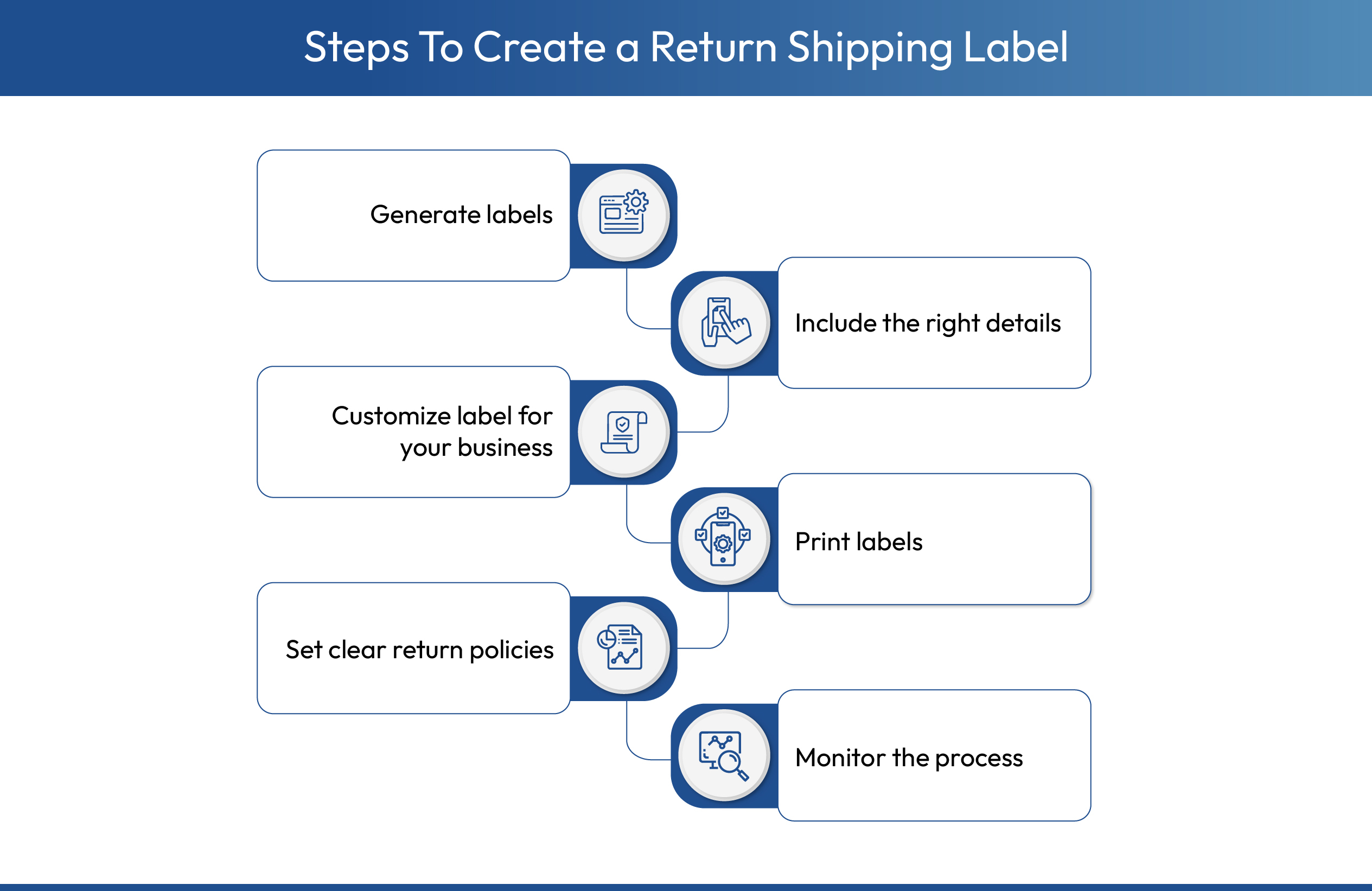
Creating a return shipping label is a crucial step in effectively managing returns. It ensures that customers can easily return products while keeping the process organized for your business.
Follow this step-by-step guide to create and print return labels for your Shopify store, ensuring a smooth experience for both you and your customers:
- Select Your Label Source: Generate labels automatically via apps like Return Prime to save time or create them manually through carrier portals like USPS and FedEx for more control.
- Include Essential Data: Ensure every label features a pre-filled return address, the customer’s name, the chosen carrier, and a unique tracking number.
- Add Custom Branding: Professionalize the experience by adding your logo and specific return instructions, such as "Keep original tags attached".
- Choose a Printing Option: Print labels at home, use professional in-store services, or invest in a thermal printer for high-volume efficiency.
- Communicate Return Policies: Use the label or its packaging to clearly state return time limits, shipping costs, and required conditions.
- Track and Automate: Monitor return reasons to improve your products and use Return Prime to automate approvals and label generation as your business grows.
Now that you've mastered creating return labels, the next challenge is getting them into your customers' hands the right way. The delivery method you choose can make the difference between a smooth return and a frustrated buyer, so let's explore the most effective options.
For a deep dive into the finer details for creating a return shipping label, checkout our guide on “Creating a Return Shipping Label for Customer Returns on Shopify.”
Ways to Provide Return Labels to Your Customers
Managing returns efficiently can make a huge difference in your customers' experience. Below are three practical ways to provide return labels to your customers, along with their pros and cons, to help you decide which option is best for your business and your customers.
1. Provide a Digital Copy of the Return Label
A digital return label is an easy, low-maintenance option for your business. You can offer it through your returns portal or email it to the customer after they initiate a return. Customers can print the label, simplifying the process for them.
Pros:
- Easy for businesses to manage.
- Saves on physical materials and shipping costs.
Cons:
- It is not ideal for customers without access to a printer.
- This could cause frustration for customers who have to find a printer and package the product themselves.
2. Include a Prepaid Return Label in the Original Package
Another method is to include a prepaid return label in the package when you ship the product. This makes it simple for customers to return items without the hassle of finding a printer or requesting a return label.
Pros:
- Super convenient for customers, especially those without printers.
- The customer can use the label right away, reducing friction in the return process.
Cons:
- It may waste labels if not used, resulting in unnecessary costs.
- Customers still need to find packaging, which can be just as inconvenient as printing their label.
- Potential environmental impact of unused labels.
3. Provide a QR Code for Easy Return Label Access
A QR code offers a modern, paperless approach. Customers simply scan the QR code at a participating carrier location, where they can either print the return label or drop off the return without needing a box or label.
This method is becoming increasingly popular for businesses looking to optimise the returns process while being eco-friendly.
Pros:
- No need for customers to have a printer at home.
- Eco-friendly and cost-effective for your business.
- Can offer both printed labels at carrier locations or a no-box, no-label return method.
Cons:
- Some customers may not be familiar with how QR codes work for returns, which may require additional customer support.
- This method is only available at carrier locations that support it.
Choosing the proper method for providing return labels depends on your business needs and how you want to balance customer convenience, cost, and sustainability. Whether you opt for digital labels, prepaid options in packages, or QR codes, each method has unique benefits that can enhance your customers' returns experience.
With this, it's clear that return labels ensure packages are safely returned to your warehouse. But what do they also do? They send customer loyalty through the roof. Let's discuss the benefits of making returns effortless.
Benefits of Using a Return Label
Integrating return labels into your e-commerce strategy optimizes operations and significantly improves customer satisfaction. Here's how integrating return labels into your e-commerce operations can make a difference:
- Improves Customer Satisfaction: Providing return labels optimizes the return process, making returns easy and hassle-free. This shows customers you value their time, enhancing overall satisfaction.
- Builds Customer Loyalty: Clear, convenient returns build trust with customers. When return labels are offered, customers feel confident about future purchases, increasing repeat buys.
- Reduces Customer Service Inquiries: By providing clear return instructions and labels upfront, you give customers everything they need to process their return without needing assistance. By providing return labels upfront, you minimize the need for customer support.
- Increases Conversion Rates: Offering prepaid return labels and free returns reassures shoppers, increasing conversions.
- Simplifies Operations: Pre-configured return labels simplify the entire return process, minimize operational errors, reduce processing time, and make inventory restocking faster and more accurate.
- Improves Brand Reputation: A smooth return process can be a powerful driver for a positive brand reputation. When customers find it easy to return an item, they associate that convenience with your business's commitment to excellent customer service.
- Helps Manage Reverse Logistics: Return labels help track returns, ensuring items are handled properly and improving inventory management while reducing confusion in reverse logistics.
A well-organized returns process, driven by clear and simple return labels, plays a critical role in customer satisfaction, loyalty, and business growth. Let’s now explore how Return Prime can simplify the return process.
H2: What Are The Common Mistakes With Return Labels?
Return labels make the process smoother, but mistakes can cause delays, frustration, and extra costs. Some common errors include:
- Incorrect or Missing Address: If the return address is wrong or incomplete, packages may be delayed or lost.
- No Tracking Number: Labels without tracking reduce visibility, making it harder for both the retailer and customer to monitor the return.
- Improper Label Attachment: Labels that aren’t securely affixed can be damaged or lost during shipping.
- Expired or Invalid Labels: Using outdated or incorrectly generated labels can lead to rejected shipments or extra charges.
- Customer Confusion: Complex instructions, unfamiliar formats (QR codes, digital labels), or unclear return steps can frustrate customers.
- Mismatch with Shipping Method: Using the wrong carrier or service for the label can result in delays or failed returns.
How Return Prime Simplifies the Return Process
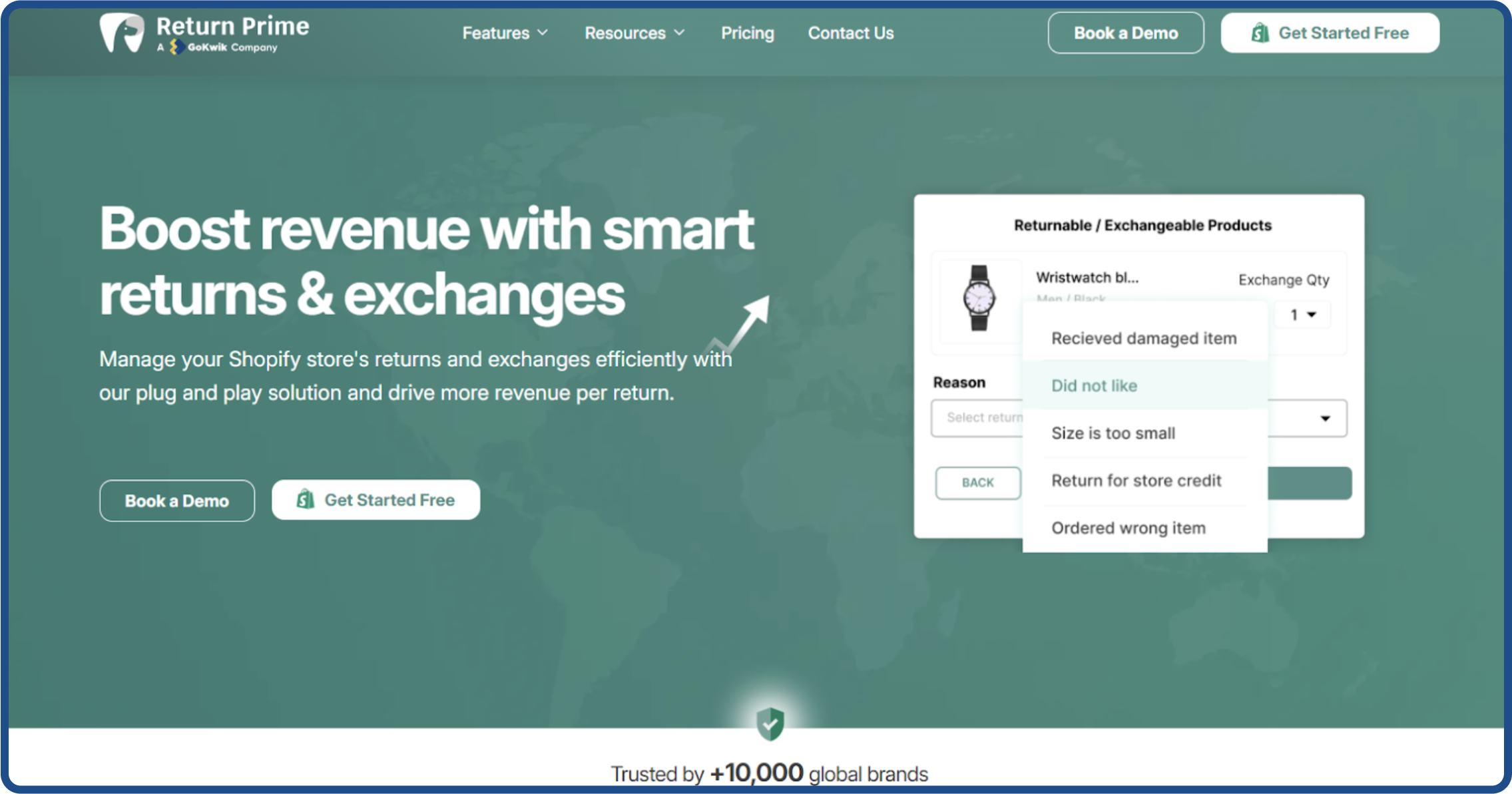
To effectively manage your reverse logistics, you need a system that transforms a traditional cost center into a growth engine. Rated 4.9 stars on the Shopify App Store and trusted by 15,000+ global brands , Return Prime automates the complexities of the return journey.
Here is how Return Prime streamlines the process for your business and your customers:
- Centralized Return Management: Consolidate every return, exchange, and refund into a single dashboard to eliminate the chaos of juggling multiple systems.
- Automated Return Approvals: Use an automated workflow engine to approve or reject requests instantly based on your specific custom return policies.
- AI-Powered Smart Exchanges: Convert potential losses into revenue by using algorithms that suggest better-fitting products or relevant alternatives based on customer preferences and order history.
- Incentivized Store Credits: Encourage shoppers to choose store credit over refunds by offering bonus credit incentives for future purchases.
- Real-Time Logistics Tracking: Provide total transparency with built-in tracking that keeps both you and your customers updated on the status of every return shipment.
- Extensive Integration Ecosystem: Connect seamlessly with over 60 platforms and 60+ logistics partners to automate label generation, refunds, and tracking without manual work.
Return Prime fits naturally into your existing workflow by integrating with industry-leading vendors:
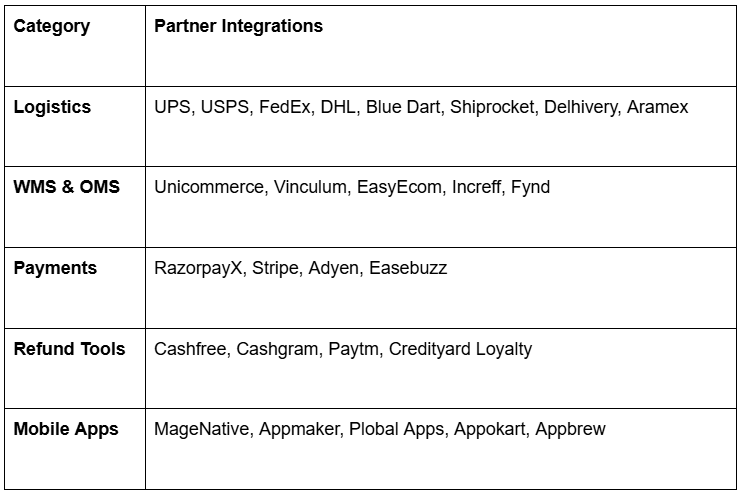
These integrations ensure that your post-purchase experience remains scalable as your order volume grows.
H3: How Bummer Scaled Returns with Return Prime?
Bummer, a fast-growing D2C innerwear brand, struggled with manual returns as order volumes doubled. Their return process relied heavily on customer support and warehouse teams, taking up over 4 hours a day.
After implementing Return Prime, Bummer saw immediate improvements in operational and customer experience:
- 74% drop in return requests within one quarter
- 87.5% faster return processing, cutting return time from 4 hours (4 people) to 2 hours (2 people)
- Smart exchanges nudged customers to swap products instead of opting for refunds
- NPS score of 8.5, surpassing industry benchmarks
- Up to 8% revenue uplift expected from Return Prime’s revenue focused features.
Thanks to Return Prime’s self-serve portal, logistics integrations, and real-time dashboard, Bummer transformed its post-purchase experience from reactive to scalable
Final Thoughts
Return labels are small but necessary tools that keep the gears of your business turning smoothly. They won't single-handedly win customer loyalty, but they do solve practical problems such as reducing customer service inquiries, keeping returns organized, and ensuring packages arrive safely.
For store owners, the goal isn't to overthink labels but to implement them in a way that requires minimal effort for maximum reliability. After all, time spent wrestling with return logistics is time taken away from growing your business.
Want to simplify your returns process?
Return Prime automates the entire workflow, from generating labels to tracking returns. It keeps everything organized behind the scenes so you can focus on what matters. Get in touch to learn how it works
Frequently Asked Questions
How do I generate a return label?
Return labels are usually generated through your store’s returns portal, shipping carrier platform, or a return management tool. You provide order details, and the system creates a label with a return address, tracking number, and shipping method.
Can I create my own shipping label?
Yes, you can create your own shipping label using carrier websites or shipping software. However, it must include the correct destination address, tracking information, and carrier requirements to ensure the package is delivered accurately and efficiently.
Who pays for a return shipping label?
The cost of return shipping depends on store policy. Some businesses offer prepaid labels for free, while others require the customer to pay. Policies should clearly state who covers the cost to avoid confusion and disputes.
Can I handwrite a return label?
In some cases, handwritten labels are allowed if they include all necessary information: the return address, recipient details, and shipping method. However, printed labels are preferred for accuracy, tracking, and faster processing.
How much does a prepaid return label cost?
The cost of a prepaid return label varies by carrier, package size, weight, and shipping speed. Some stores cover the cost for customers, while others deduct it from refunds. Pricing should be communicated clearly in your return policy.




.svg)


.svg)